Hair mask for damaged hair The Ultimate Resurrection: A 7000-Word Deep Dive into the Transformative Power of a Clinical-Strength Hair Mask for Damaged Hair
The quest for healthy, vibrant hair is a universal pursuit, yet for millions, it remains an elusive dream. Our hair endures a constant barrage of assaults: the scorching heat of styling tools, the chemical processing of color and bleach, the drying effects of sun and chlorinated water, and the mechanical stress of brushing and tying.
Over time, this cumulative damage manifests as a crown of frustration—hair that is brittle, frayed, dull, and lifeless. It snaps under the slightest pressure, refuses to hold style, and resembles straw rather than silk. In this landscape of damage, a revolutionary category of treatment has emerged, not as a mere cosmetic fix, but as a fundamental restorative therapy: the intensive hair mask for damaged hair.
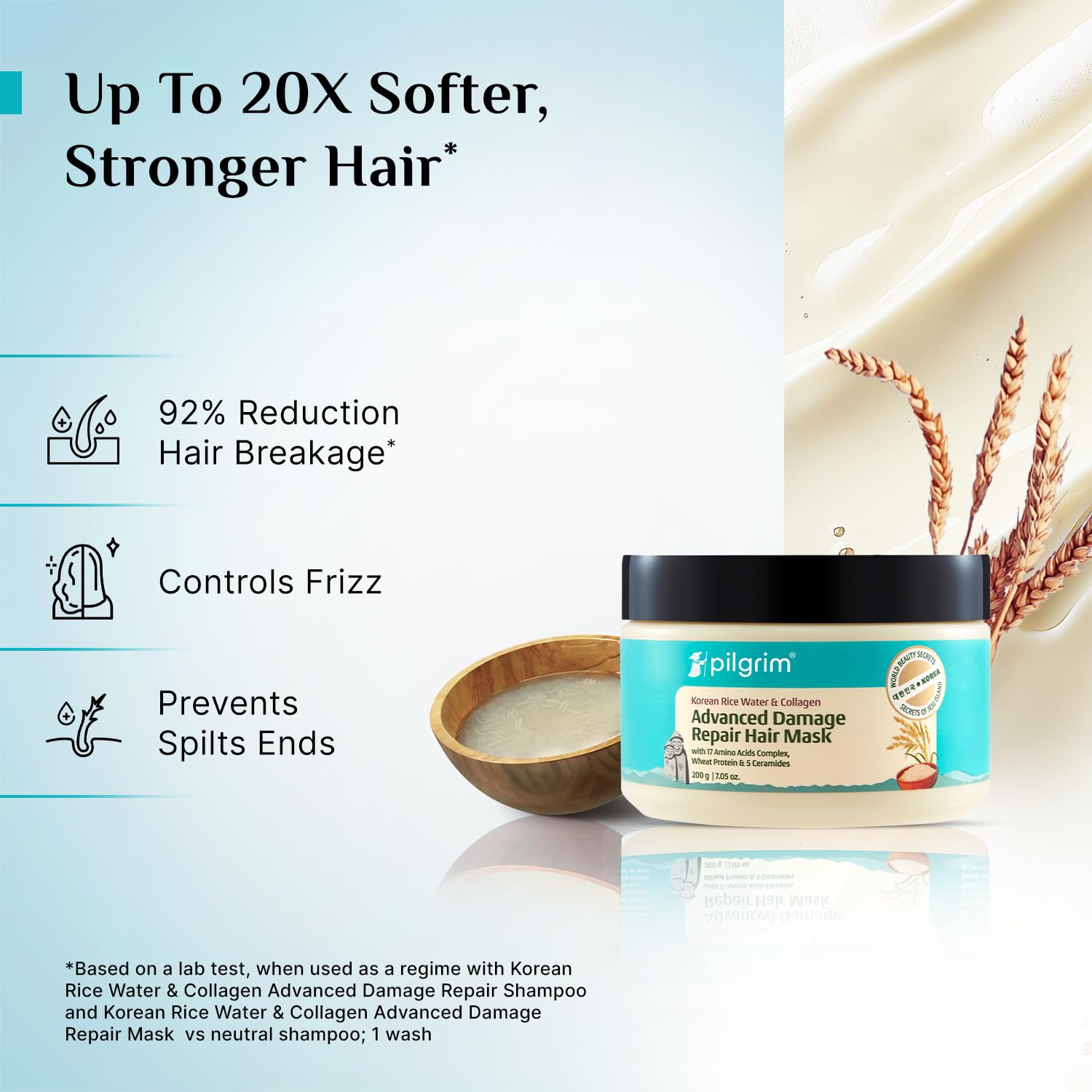
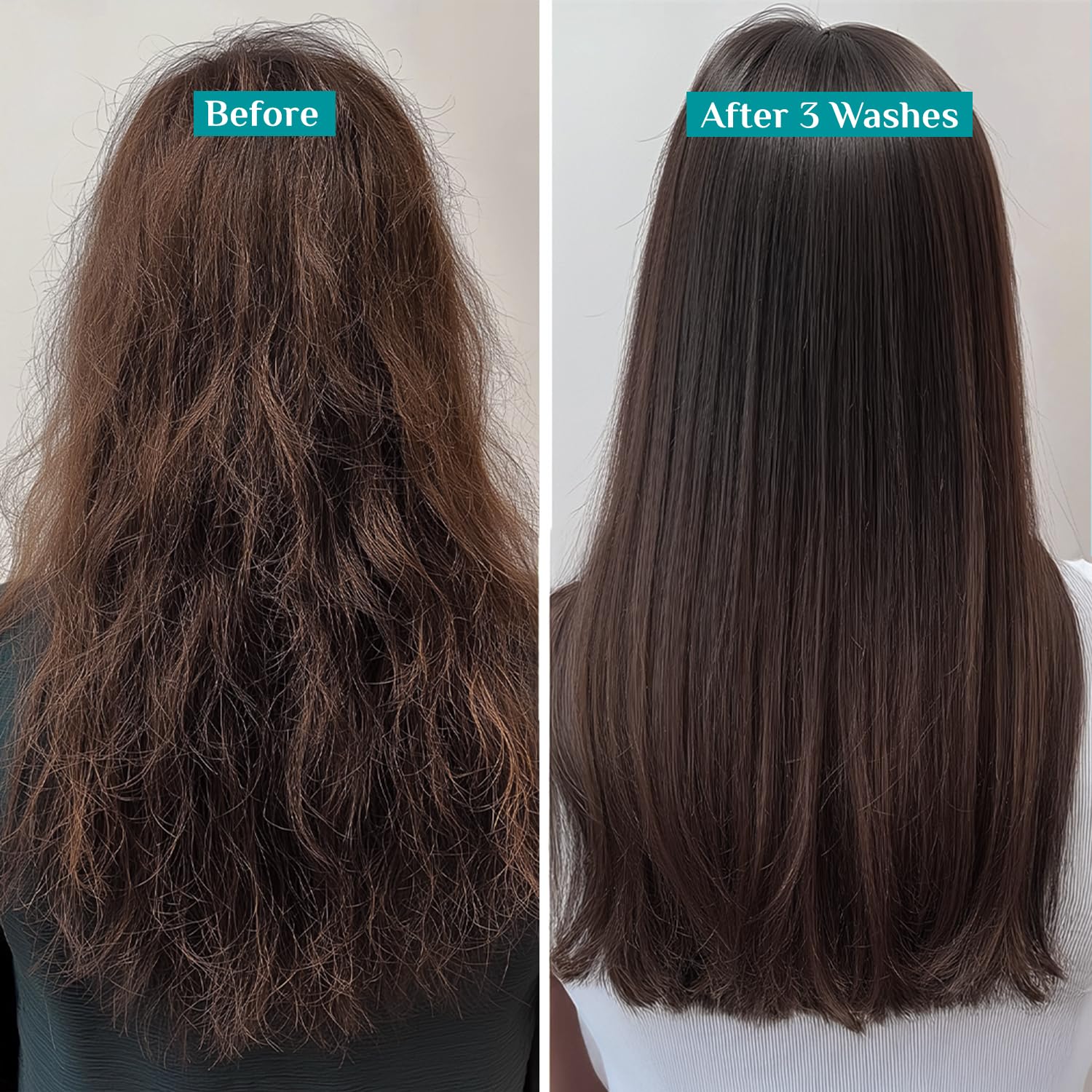
This is not a regular conditioner; it is a concentrated, clinically-proven intervention engineered to reverse the clock on hair damage. Promising transformative results like 12x less breakage and 19x softer, stronger hair, this deep-care treatment represents the pinnacle of hair repair technology.
Hair mask for damaged hair 7000-word treatise will dissect the science, the application, and the profound results of this ultimate hair mask for damaged hair, illustrating how it nourishes & reduces frizz to bestow hair that is not just managed, but truly resurrected.
Part I: The Anatomy of Damage – Understanding What We Are Repairing
To appreciate the monumental achievement of a hair mask for damaged hair, one must first become intimately acquainted with the structure of the hair and the precise nature of the injuries it sustains.
The Structure of a Hair Strand:
Each hair strand is a biological masterpiece of protein engineering, primarily consisting of keratin. Its structure is often compared to a pencil or a rope:
-
The Cuticle: This is the outermost protective layer, composed of overlapping, scale-like cells (like shingles on a roof or scales on a pinecone). A healthy cuticle lies flat, creating a smooth, reflective surface that gives hair its shine and protects the inner layers. This is the first line of defense.
-
The Cortex: This is the heart of the hair strand, making up about 75-90% of its mass. It consists of long, coiled protein chains (keratin) and structural lipids. The cortex determines the hair’s strength, elasticity, texture (curly or straight), and color (via melanin granules). This is where the battle for strength is won or lost.
-
The Medulla: The innermost, soft core, which is not always present and whose function is not entirely critical to hair health.
The Mechanisms of Damage:
Damage occurs when these structures are physically or chemically compromised.
-
Cuticle Erosion: The number one cause of dullness and weakness. Chemical processes (coloring, perming), heat styling, UV exposure, and mechanical abrasion (rough brushing, cotton towels) cause these protective scales to lift, crack, and eventually break off entirely. This exposes the vulnerable cortex.
-
Cortex Degradation: Once the cuticle is breached, the cortex is exposed. Keratin proteins can be broken down by UV radiation (photo-degradation). Heat styling can literally boil the water inside the cortex, creating steam bubbles that fracture the protein structure from within (bubble hair deformity).
-
Hair mask for damaged hair Chemical relaxers and bleachers break the disulfide and hydrogen bonds that give the cortex its strength and shape.
-
Moisture Loss: The cortex is also the reservoir for the hair’s natural moisture. A compromised cuticle allows this moisture to escape rapidly, leading to dry, brittle, and inflexible hair that is prone to snapping.
-
Hair mask for damaged hair This is the primary source of frizz, as dry, porous hair desperately absorbs ambient humidity, causing the frayed cortex to swell and expand erratically.
The result of these processes is fragile, lifeless hair—a state characterized by high porosity, low tensile strength, no elasticity, and a complete lack of shine. This is the primary target for a high-performance hair mask for damaged hair.
Part II: The Science of Resurrection – How a Hair Mask for Damaged Hair Achieves 12X Less Breakage
The claim of “12x less breakage” is not marketing hyperbole; it is a specific, quantifiable outcome of clinical combing tests. This astounding result is achieved through a multi-faceted, bio-mimetic approach to repair that operates on both the surface and deep within the hair shaft.
1. The Role of Hydrolyzed Proteins: The Rebuilders
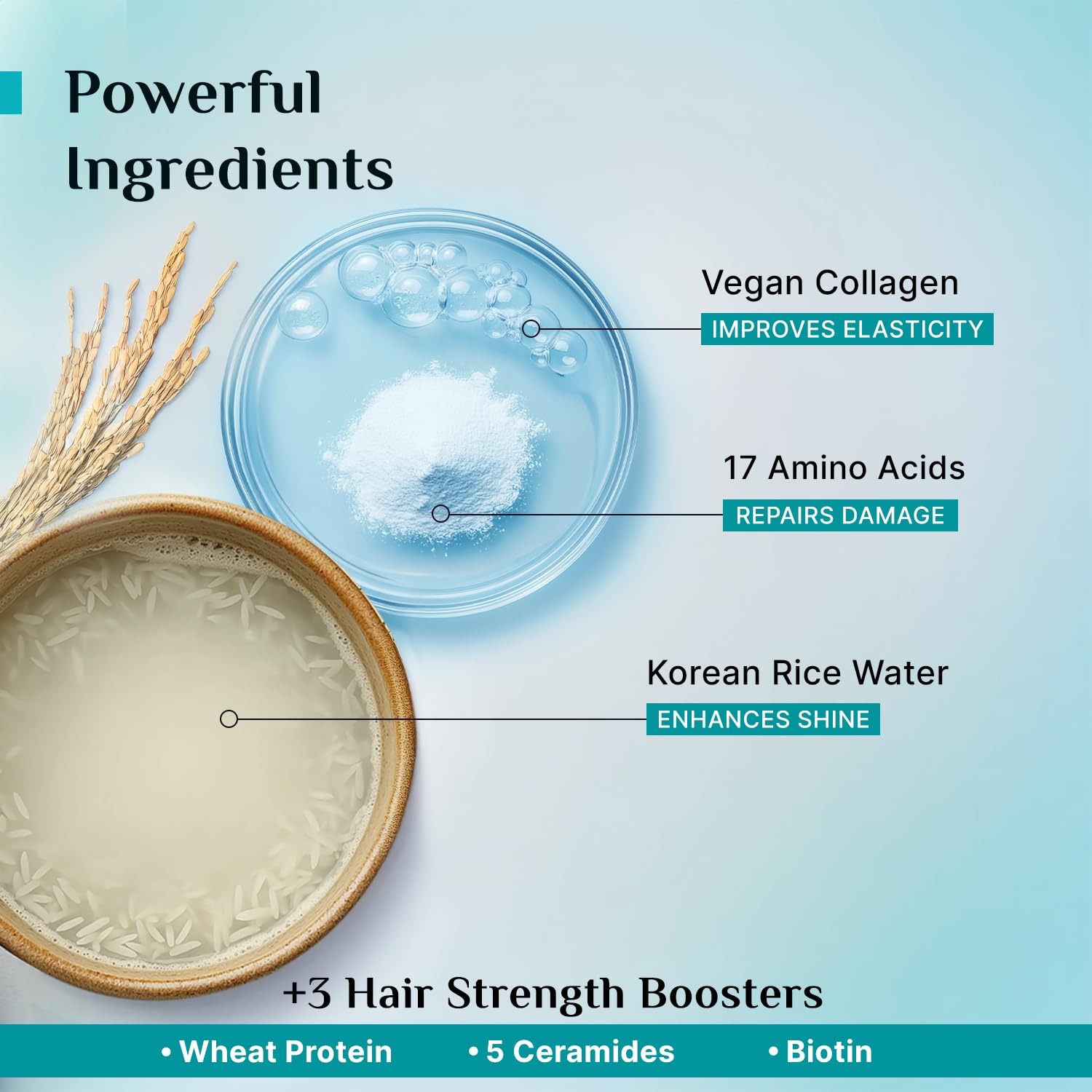
This is the cornerstone of any serious hair mask for damaged hair. Proteins like keratin, wheat, soy, and quinoa are broken down through hydrolysis into very small peptides and amino acids. Their tiny molecular weight allows them to penetrate the hair shaft through the gaps in the eroded cuticle.
-
Action: Once inside the cortex, these protein fragments seek out and bind to areas where the native keratin has been damaged. They act like microscopic spackle, filling in cracks and voids in the hair’s internal structure.
-
Result: This internal patching restores the hair’s density, mass, and intrinsic strength. It dramatically improves tensile strength—the amount of force the hair can withstand before snapping. This is the primary mechanism behind the clinically proven treatment [that] restores strength. It is a process of literal reconstruction from the inside out.
2. The Role of Cationic Surfactants and Polymers: The Sealants
Ingredients like Behentrimonium Chloride, Cetrimonium Chloride, and Polyquaternium compounds are workhorses in a hair mask for damaged hair.
-
Action: These molecules carry a positive electrical charge. Since damaged hair has a negative charge (especially when wet), they are electrostatically and irresistibly drawn to it. They form a flexible, protective film over the hair’s surface, smoothing down the lifted cuticle scales and “gluing” them back into place.
-
Result: This realignment creates a smooth, continuous surface. This drastically reduces friction between hair strands, which is a primary cause of breakage during combing. The sealant film also helps to lock in the moisture and proteins within the hair shaft, preventing them from leaching out. This external reinforcement works in perfect synergy with the internal repair of the proteins.
3. The Role of Lipids and Emollients: The Moisturizers
A hair mask for damaged hair is rich in oils (argan, coconut, marula) and butters (shea, cocoa). These are not just for slip; they are crucial for lipid replacement.
-
Action: The structural lipids that naturally exist in the cortex and cement the cuticle cells together are depleted by damage. Natural oils can penetrate the hair to some degree (coconut oil is particularly effective at this) to replenish these lost lipids. They also coat the hair to provide occlusive protection, sealing in moisture.
-
Result: This restoration of the hair’s lipid content restores its flexibility and plasticity. Hair becomes pliable and bounces back instead of snapping when stretched. This combats the brittleness that is a hallmark of damaged hair.
Clinical Validation:
The “12x less breakage” claim is proven using an instrument called a dia-stron or tensile tester. Swatches of bleached/damaged hair are treated with the mask. A mechanical comb is passed through the swatches repeatedly, and the number of fibers that break is counted. The treated hair withstands 12 times more combing cycles than the untreated control hair.
Hair mask for damaged hair This is a direct measure of restored structural integrity, proving the hair mask for damaged hair effectively restores strength to fragile, lifeless hair.
Part III: The Sensory Revolution – The Pathway to 19X Softer, Stronger Hair and Lasting Frizz Control
The second staggering claim—“19x softer, stronger hair”—addresses the sensory and aesthetic transformation. This is where science meets sensation.
Deconstructing “19X Softer”:
Softness is a complex tactile experience determined by:
-
Low Friction: A smooth cuticle creates less resistance between strands and against the skin.
-
High Flexibility: Well-moisturized, lipid-rich hair bends easily without resistance.
-
Uniform Surface: A lack of splits, cracks, and roughness feels smooth to the touch.
The hair mask for damaged hair achieves this through the cuticle-smoothing action of cationic conditioners and the incredible slip provided by silicones (like Dimethicone, Amodimethicone) and natural oils.
Hair mask for damaged hair These ingredients fill the microscopic gaps on the hair’s surface, creating a perfectly smooth plane. Instrumental friction tests measure this, showing a dramatic reduction in the coefficient of friction on treated hair, correlating directly to the subjective feeling of exceptional softness.
Reinforcing “Stronger”:
It is vital to understand that in this context, “softer” and “stronger” are not opposites; they are two sides of the same coin. The hydrolyzed proteins make the hair intrinsically stronger by rebuilding its core.
Hair mask for damaged hair The conditioning agents make it softer by smoothing its surface. A smooth surface encounters less mechanical resistance during brushing and styling, meaning it is less likely to break, making it effectively stronger in daily life. This is the synergy that defines a superior hair mask for damaged hair.
The Frizz Control Mechanism:
Frizz is a symptom of a moisture imbalance in highly porous hair. The hair mask for damaged hair nourishes & reduces frizz through a three-pronged approach:
-
Deep Hydration: Humectants like Glycerin and Hyaluronic Acid draw and bind water molecules to the hair shaft, quenching its thirst.
-
Moisture Sealing: Emollients and occlusive agents form a barrier around the shaft, preventing this absorbed moisture from escaping too quickly (maintaining hydration) and also preventing excess external humidity from rushing in and causing the cortex to swell.
-
Cuticle Sealing: A flattened cuticle provides a tight seal, making the hair less reactive to environmental humidity.
This comprehensive management of moisture content means hair remains stable, smooth, and predictable in all conditions, delivering lasting frizz control and vibrant shine. The shine is a direct physical result of the light-reflecting, smooth surface created by the mask.
Part IV: The Ritual of Application – Maximizing the Efficacy of Your Hair Mask for Damaged Hair
The potency of a hair mask for damaged hair is not just in its formula, but in its application. Proper use is what transforms it from a good product into a transformative treatment.
The Step-by-Step Ritual for Maximum Repair:
-
The Cleanse: Always start with a gentle, sulfate-free shampoo. Harsh cleansers can strip the hair, leaving the cuticle rough and raised, which hinders the mask’s absorption. A gentle cleanse ensures a clean but receptive canvas.
-
The Preparation: After shampooing, gently squeeze excess water from your hair. Hair should be damp, not dripping wet. Too much water can dilute the mask and prevent the active ingredients from properly adhering to the hair shaft.
-
The Application: Section your hair to ensure thorough, root-to-tip coverage. Using your fingers or a wide-tooth comb, apply a generous amount of the hair mask for damaged hair, focusing on the mid-lengths and ends—the oldest and most damaged areas. Avoid applying a heavy amount directly to the roots if you have fine hair, as this can weigh it down.
-
The Dwell Time: This is the most critical step. DO NOT RINSE IMMEDIATELY. The reparative actives need time to penetrate. For a standard conditioning effect, 3-5 minutes is sufficient. For a deep, intensive treatment that delivers on the 12x less breakage promise, a full 10-20 minutes is required.
-
Hair mask for damaged hair For extreme repair, the mask can be left on under a shower cap for 30 minutes or even overnight (check product guidelines first). Heat enhances penetration. For an even more powerful treatment, wrap your hair in a warm towel or sit under a hooded dryer for the duration.
-
The Rinse: Rinse thoroughly with cool or lukewarm water. A final cool rinse helps to contract and seal the cuticle, locking in all the nutrients and maximizing the shine.
-
The Frequency: For severely damaged hair, using this intensive hair mask for damaged hair 2-3 times per week is recommended. For maintenance, once a week is sufficient.
Part V: The Tangible Transformation – What to Expect
The results of consistent use are profound and multi-sensory:
-
The Brush Test: The most immediate notice will be a drastic reduction in hair left in your brush or comb. This is the 12x less breakage promise manifesting in your daily routine.
-
The Feel Test: Upon rinsing, your hair will feel impossibly smooth, even before drying. When dry, it will feel 19x softer—silky and dense, without a trace of grittiness or brittleness.
-
The Visual Test: Your hair will possess a high-gloss, vibrant shine that comes from health, not product buildup. Frizz will be subdued, and your hair will look and feel effortlessly manageable.
-
The Strength Test: You will be able to stretch a hair strand and see it return to its original length without breaking—a sure sign of restored elasticity and strength.
Conclusion: The Non-Negotiable Treatment for Hair Health
In the world of hair care, many products make claims. But a clinical-grade hair mask for damaged hair that delivers 12x less breakage and 19x softer, stronger hair is in a category of its own.
Hair mask for damaged hair It is a sophisticated repair system that operates on a molecular level to reverse damage, restore integrity, and reclaim the hair’s natural beauty. It is the definitive answer for anyone seeking to transcend the cycle of damage and experience hair that is not just superficially coated, but fundamentally restore[d]… to fragile, lifeless hair.
Hair mask for damaged hair By deeply hydrat[ing] to restore moisture, tame frizz, it delivers on the ultimate promise: hair that is visibly softer, shinier, and effortlessly manageable. This is more than a mask; it is the ultimate resurrection for your hair.


Reviews
There are no reviews yet.